
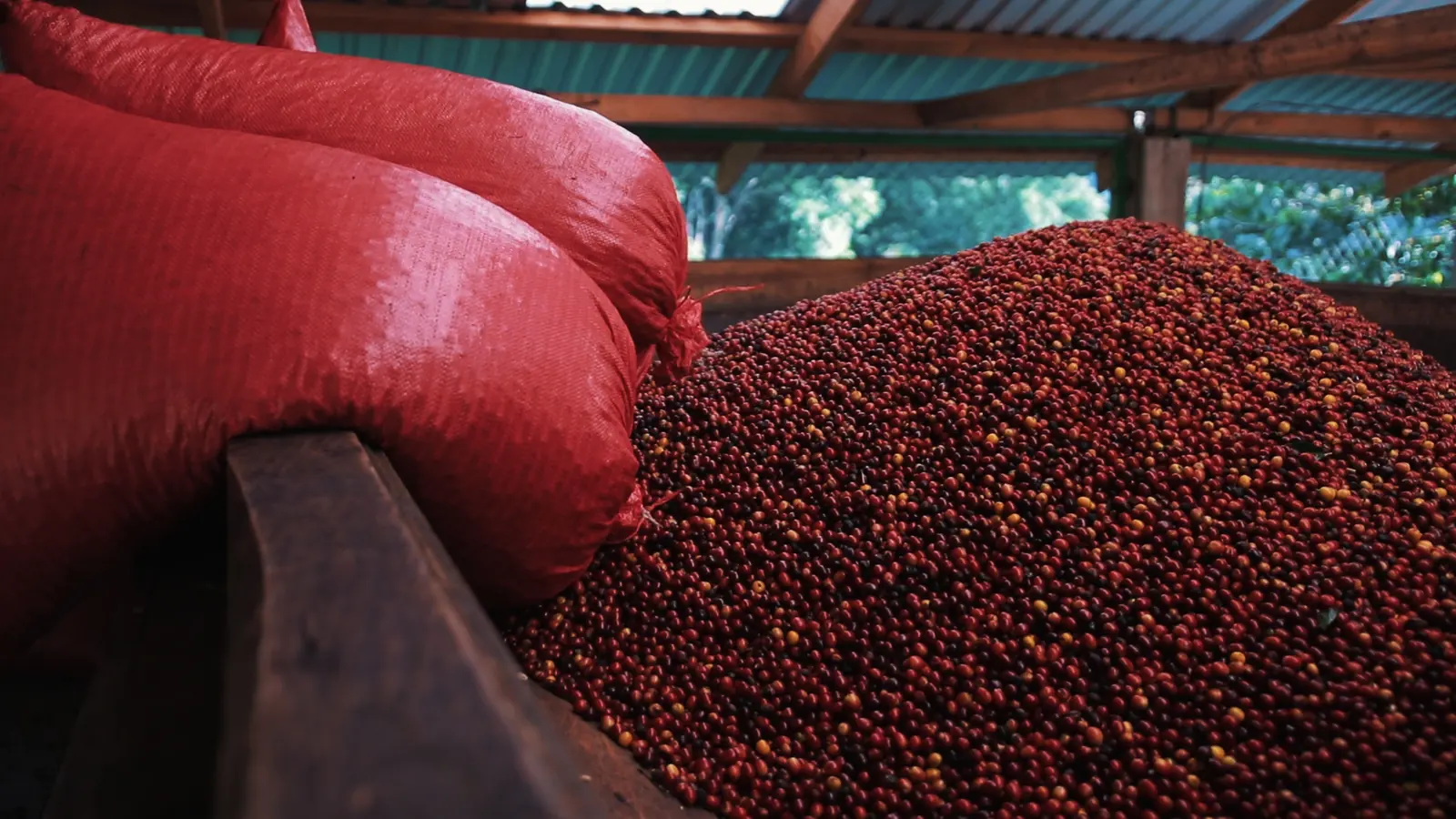
Traceable green coffee from Nicaragua.
Esperanza Harvest buys directly from smallholder producers, processes and ships Arabica and Robusta coffee to roasters, importers and trading houses in North America and Europe.
295smallholder producers in our supply chain
131,000bags of 69 kg: annual capacity of our dry mill
19,250bags of 69 kg exported per year
12+years buying and exporting at origin
Arabica & Robustathe coffees we export
A supply chain with names, not averages.
Our coffee comes from 295 smallholder producers in Nicaragua's coffee regions. We buy directly from them, so every delivery stays tied to the person and the plot it came from. That is the base for the traceability and geolocation data that buyers, especially in Europe, now require.
Buying direct also means a working relationship: quality criteria agreed before harvest, follow-up in the field and producers we meet again the next season.
- Direct purchase
- We buy from the producer, not from anonymous intermediaries. The lot's origin is known from the first weighing.
- Traceable origin
- Producer, farm and plot are recorded at receiving and carried through processing, milling and export.
- Experience at origin
- More than 12 years buying, processing and exporting Nicaraguan Arabica and Robusta.
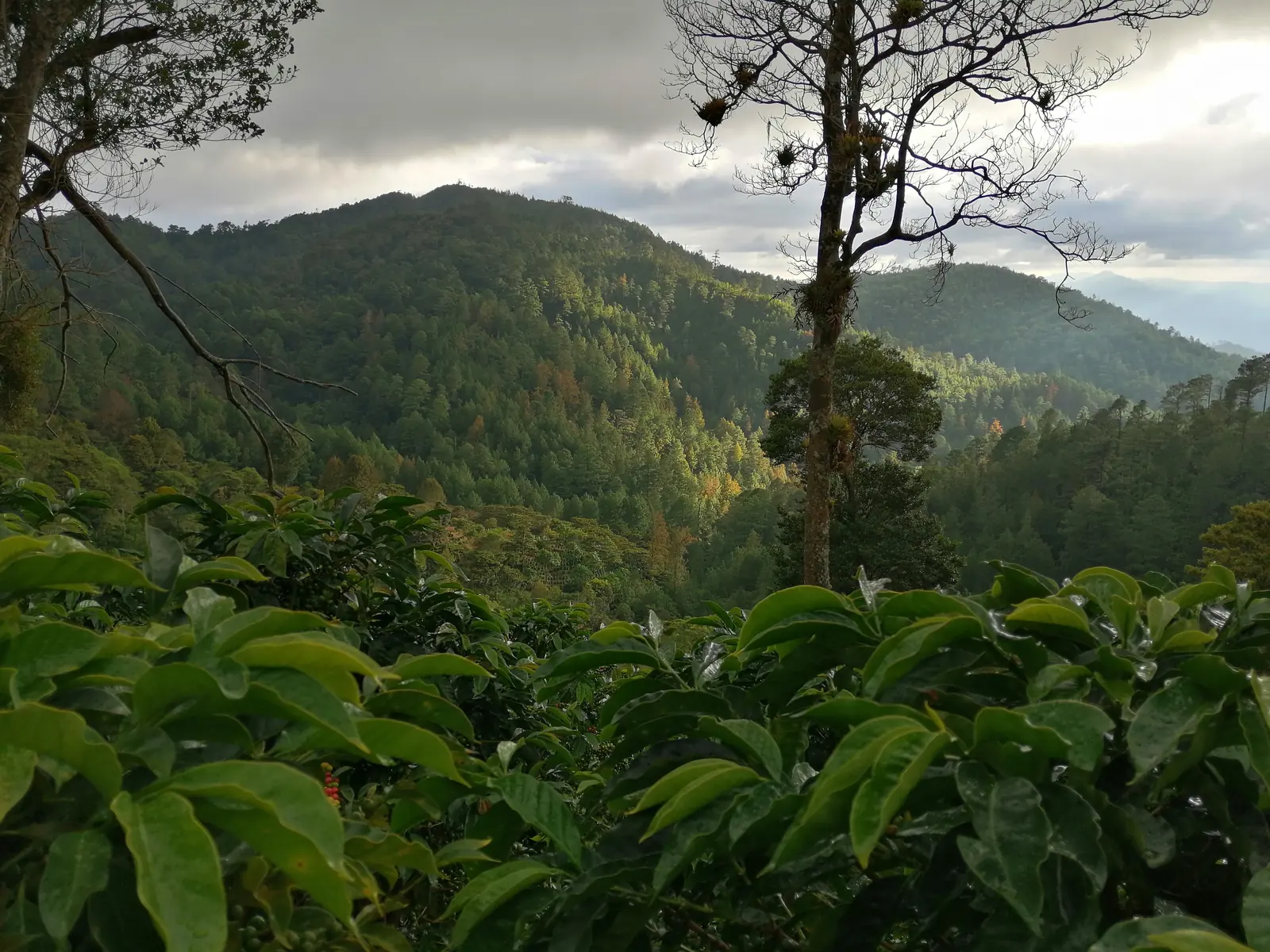
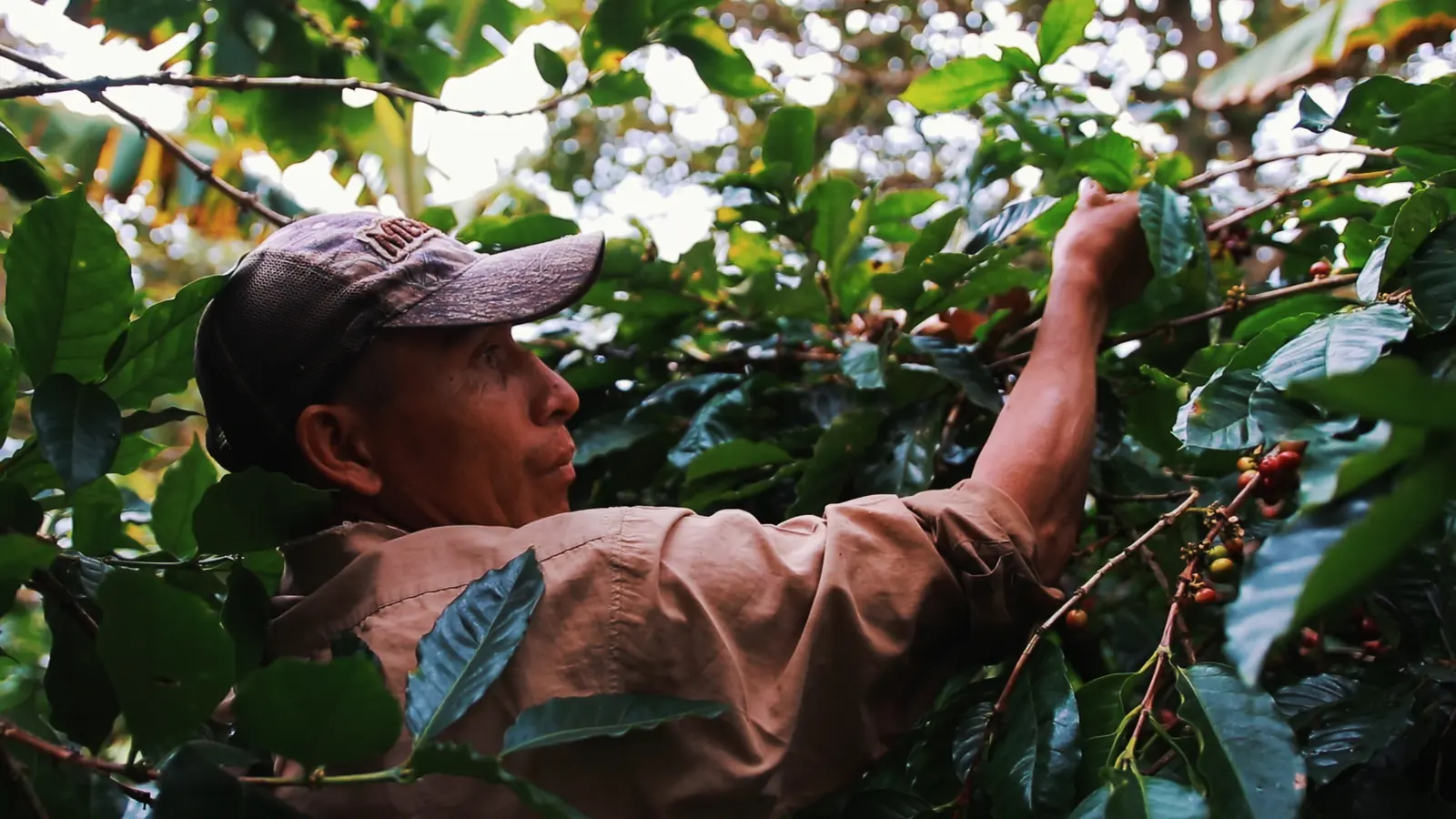
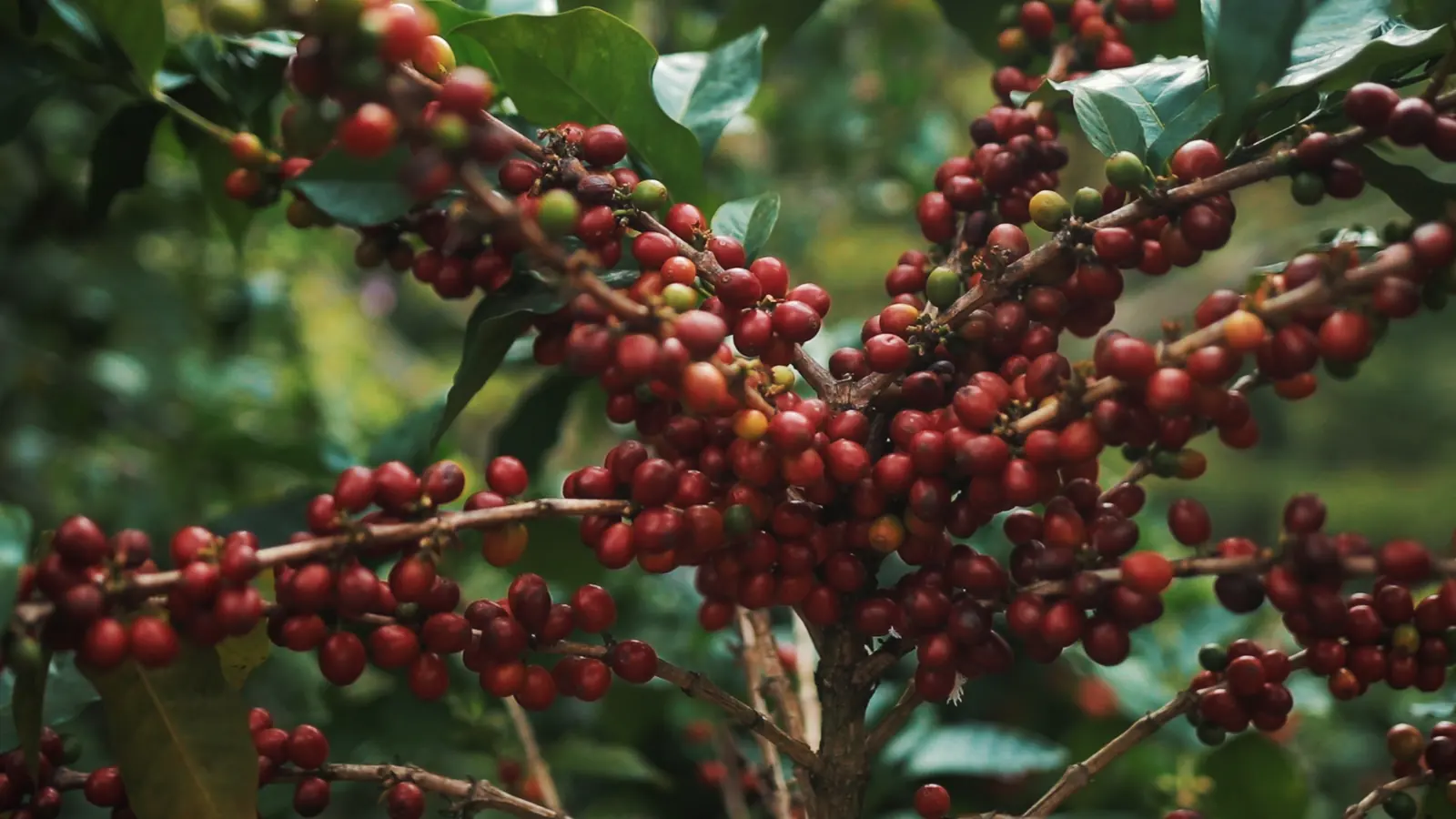
From farm to container, one lot record.
Each lot builds a record as it moves through our chain. By the time it is sealed in a container, you can follow it back to the producers who picked it.
- 1
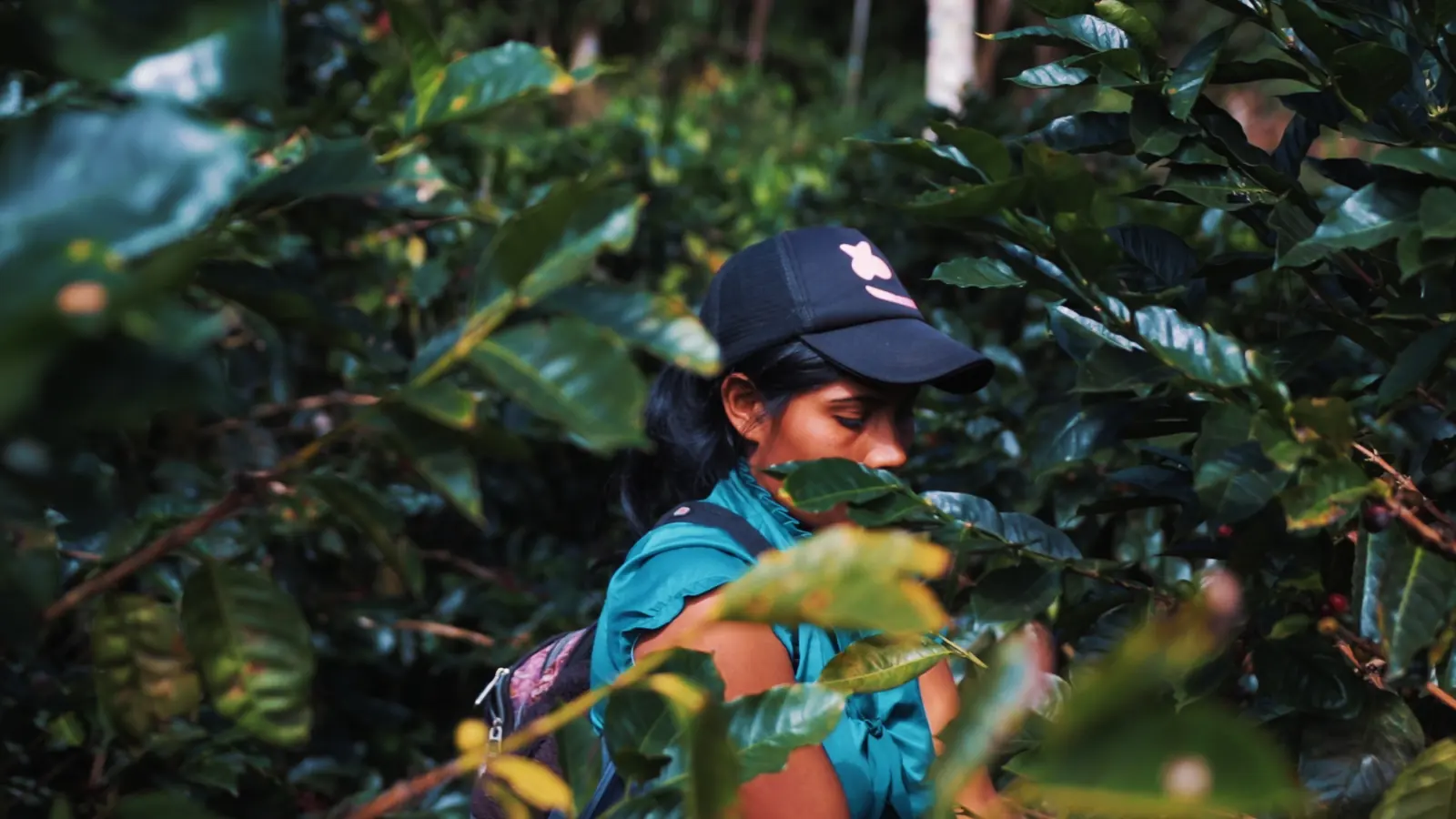
Selective picking
Producers hand-pick only ripe cherry.
RecordedProducer, farm and geolocated plot
- 2
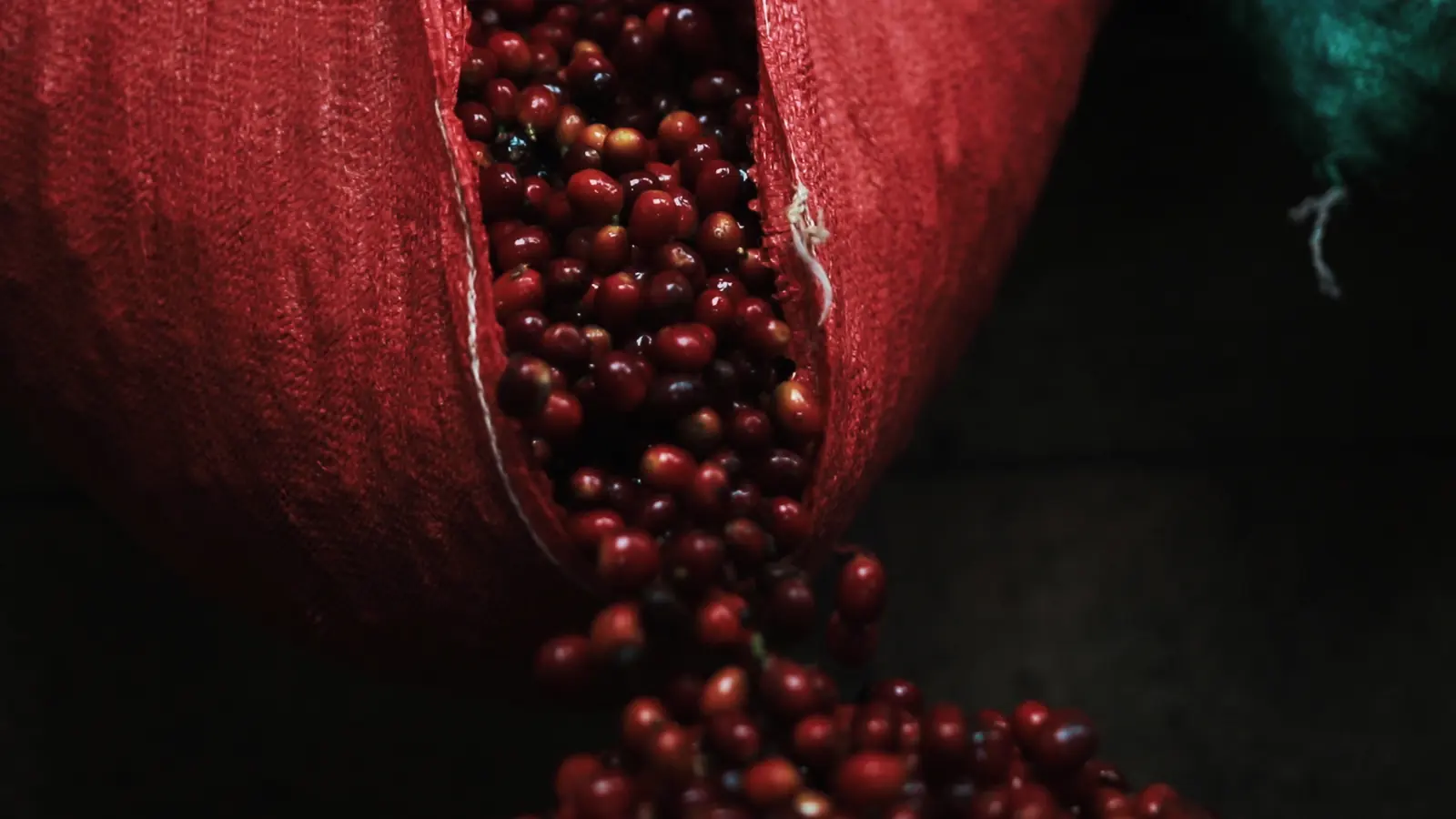
Cherry receiving
Cherry is weighed, checked and classified as it arrives.
RecordedWeight, date and cherry quality
- 3
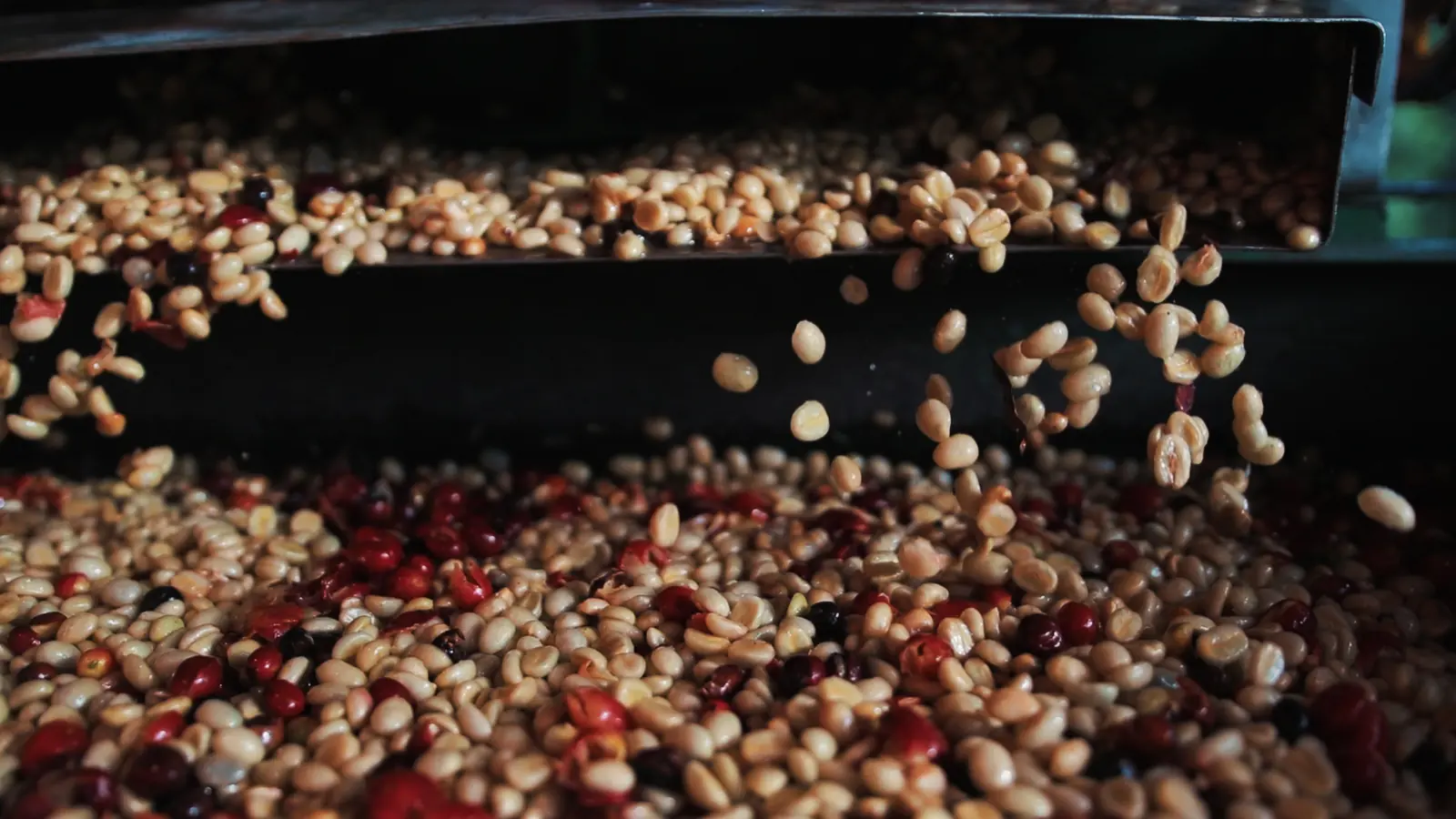
Wet processing
Pulping and bean separation in batches kept apart.
RecordedProcessing batch and method
- 4
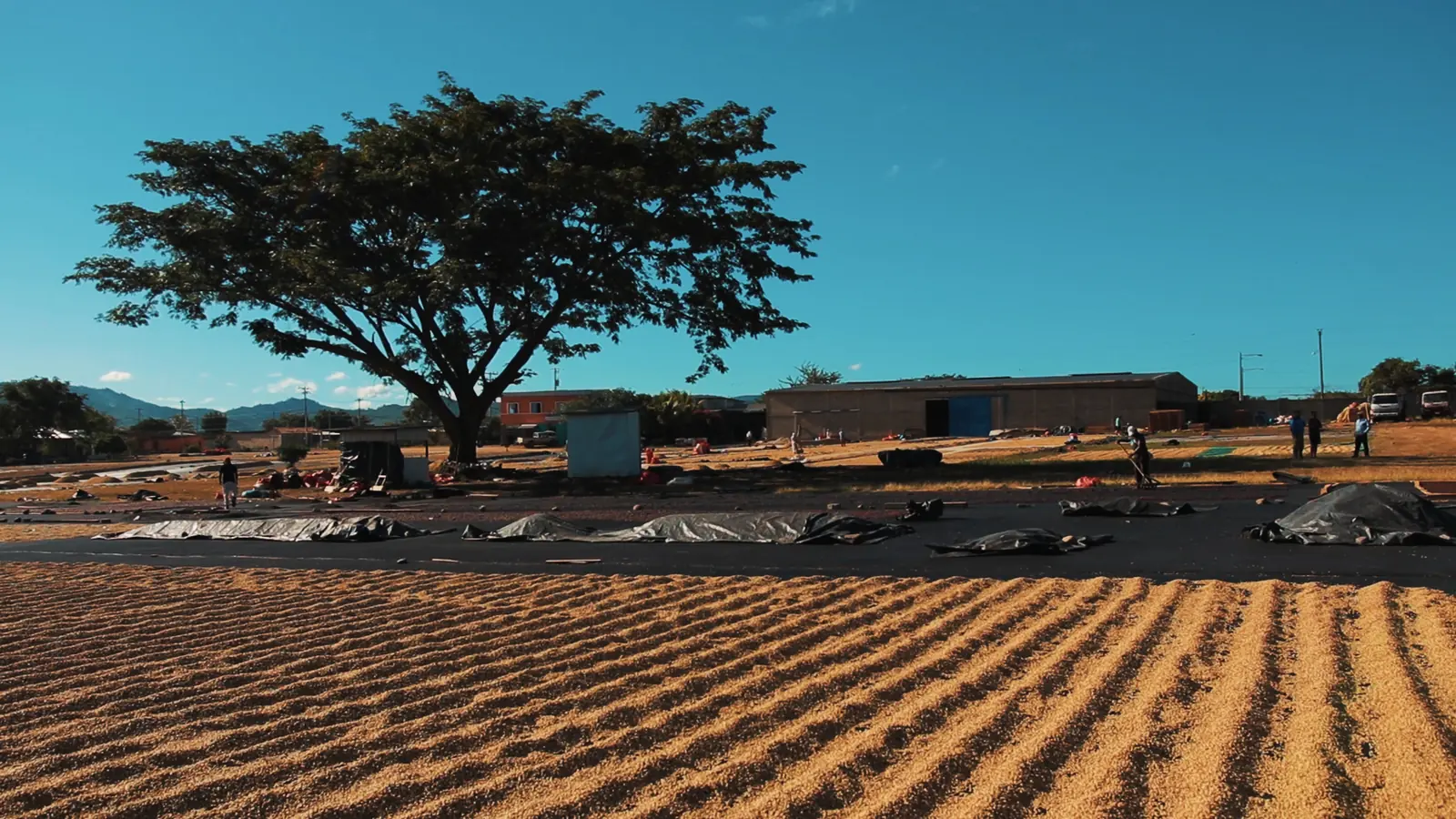
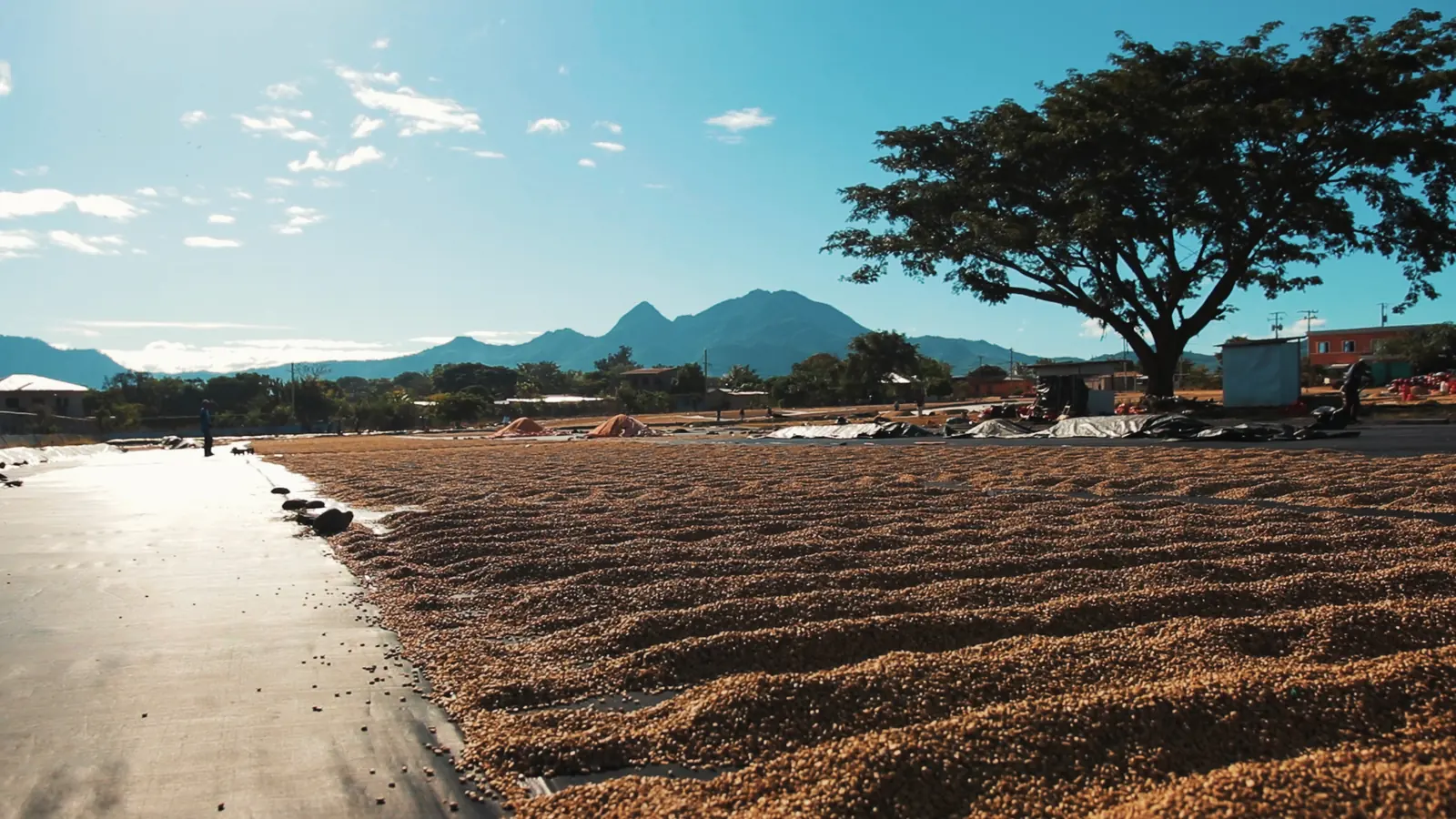
Patio drying
Sun-dried until it reaches export moisture.
RecordedDrying days and moisture reading
- 5
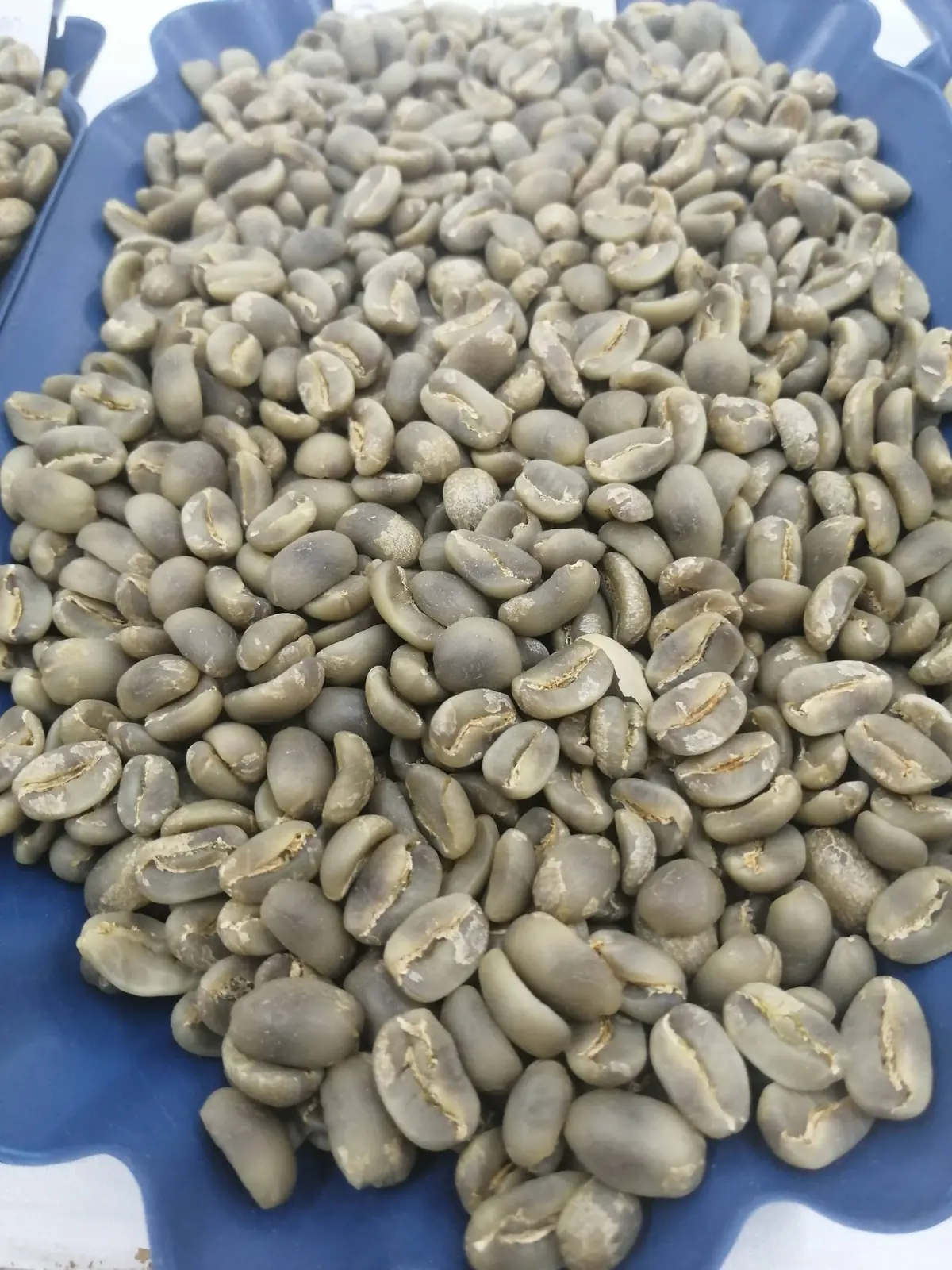
Dry milling
Hulling, screen grading, density and color sorting.
RecordedYield, screen size and defect count
- 6
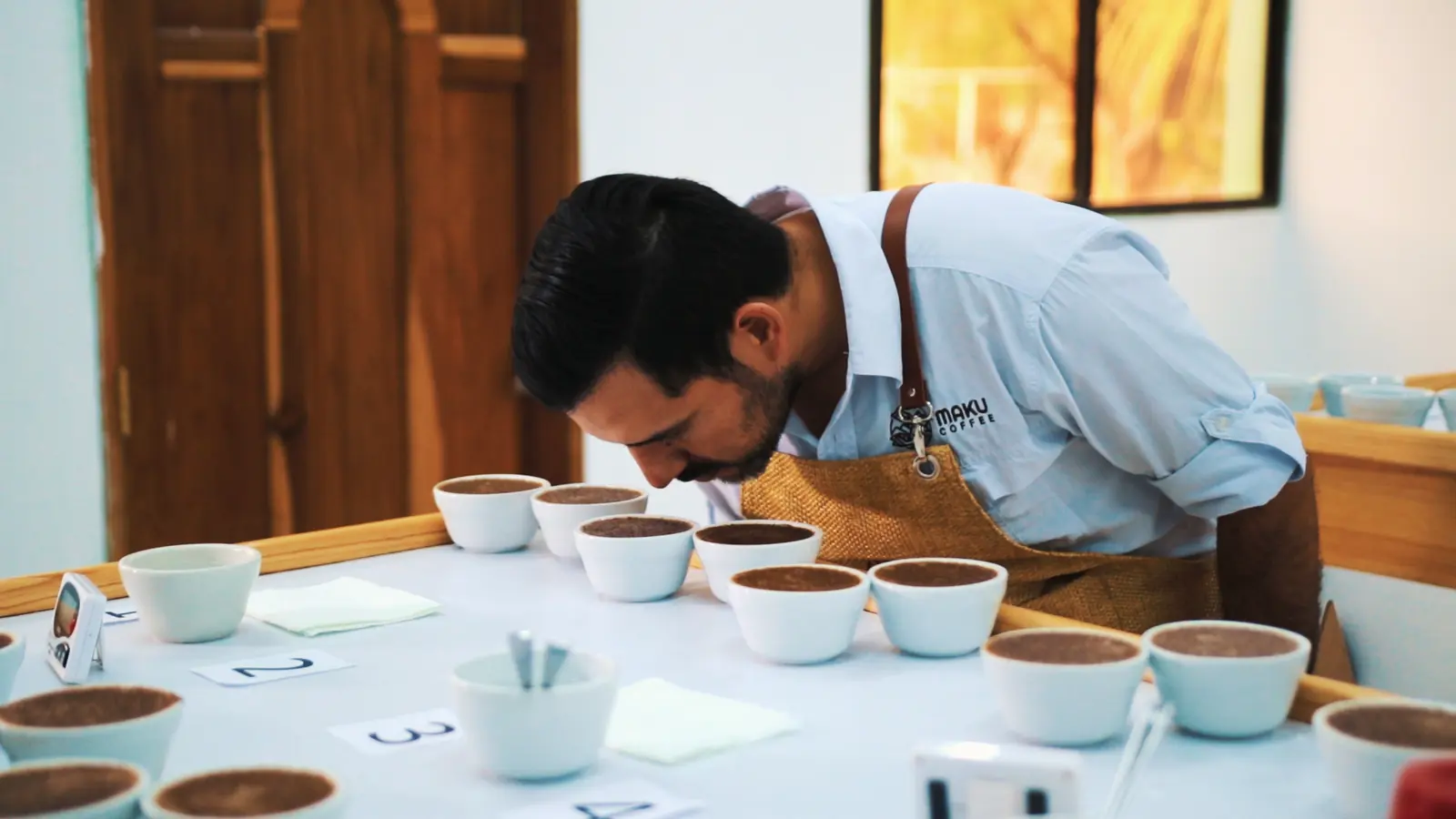
Cupping and quality
Each lot is cupped; the PSS goes to the client for approval.
RecordedCupping report and PSS approval
- 7
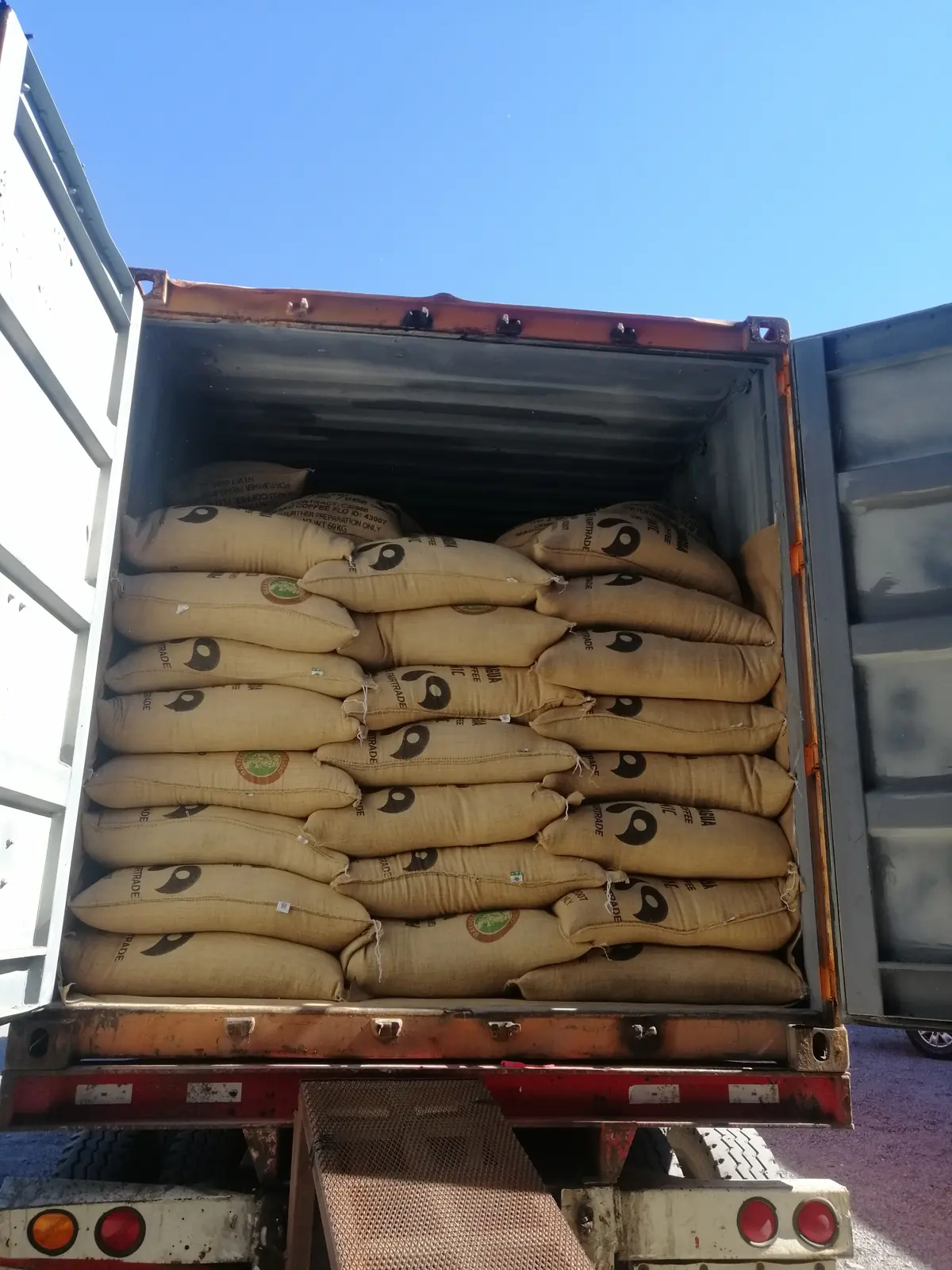
Loading and shipment
Loading report to the client; frequent SGS inspection.
RecordedLoading report, SGS inspection, container and seal
Export documents travel with the lot: certificate of origin, phytosanitary certificate, ICO certificate and certification transaction records.
Our own dry mill.
131,000bags of 69 kg of green coffee a yearMilling in-house means the same team controls the last step before export: hulling, grading, sorting and bagging.
With capacity to process 131,000 bags of 69 kg (about 9,000 metric tons) of green coffee a year, the mill can serve container programs across the whole season while keeping microlots, certified and conventional coffee physically separate.
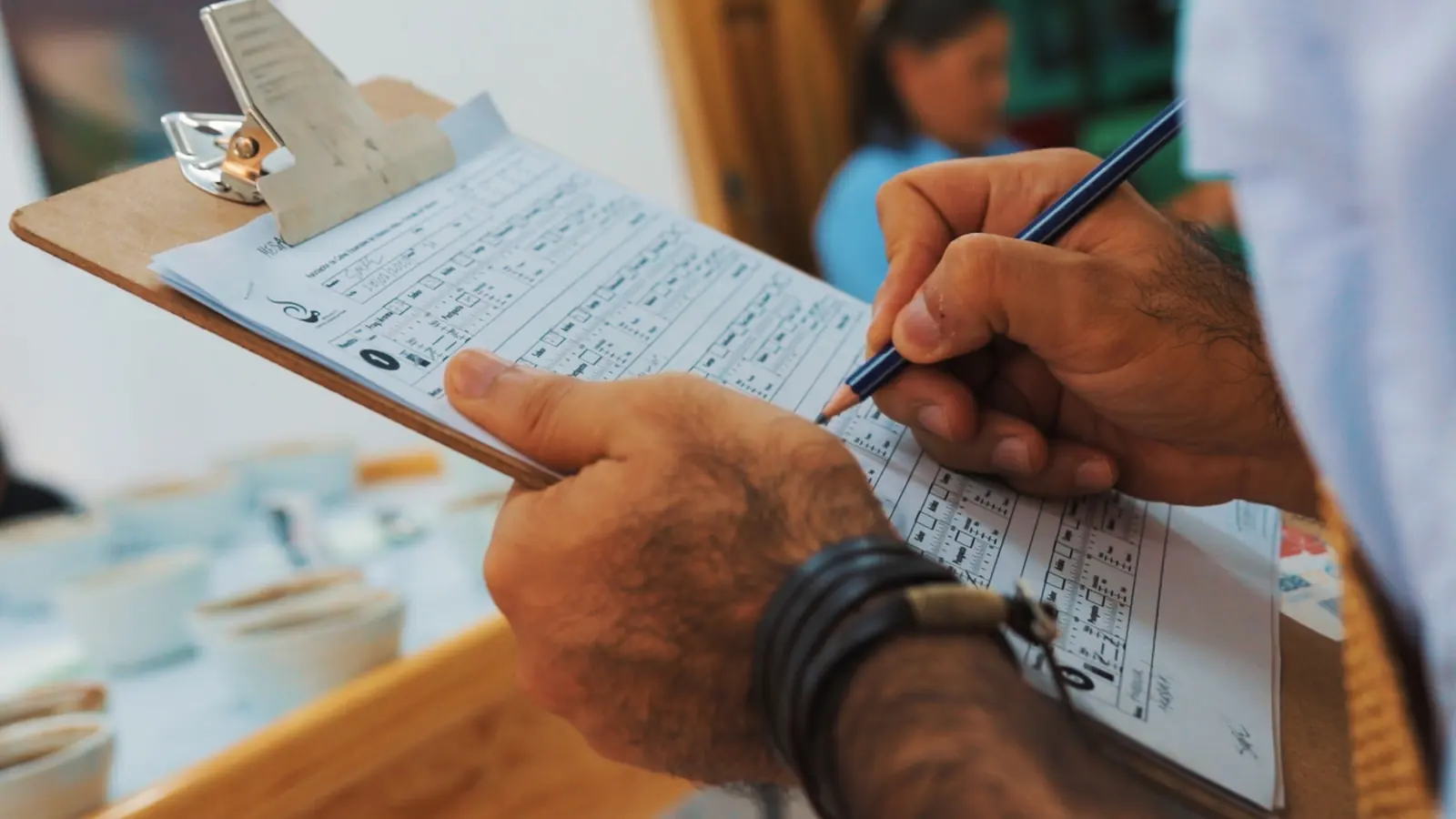
Quality decided on the cupping table.
Our cupping lab follows lots from receiving to shipment. Offer samples and pre-shipment samples (PSS) are part of how we work: the lot you approve on the table is the lot that ships.
- Grade and preparation
- SHG, HG and European Preparation, as agreed in the contract.
- Screen size
- Screen 15, 16, 17 and 18, by lot.
- Moisture
- Dried and stored to a maximum export moisture agreed per contract.
- Defects
- Defect count per 350 g sample, reported with the PSS.
- Cup profile
- Cupped under SCA protocol; score and notes shared with each sample.
Shipped with documents, not surprises.
Our logistics team coordinates milling, bagging, container booking and export paperwork, and keeps you informed at each step. We export 19,250 bags of 69 kg a year, the equivalent of some 70 twenty-foot containers.
Loading report before every dispatchBefore a container leaves, the client receives a loading report for their cargo. SGS frequently inspects loading and container dispatch as a service we provide to our clients.
- Packaging
- 69 kg jute sacks, GrainPro liners on request and big bags for bulk programs.
- Incoterms
- FOB and FCA Nicaragua; other terms by agreement.
- Documents
- Certificate of origin, phytosanitary certificate, ICO certificate and certification transaction documents.
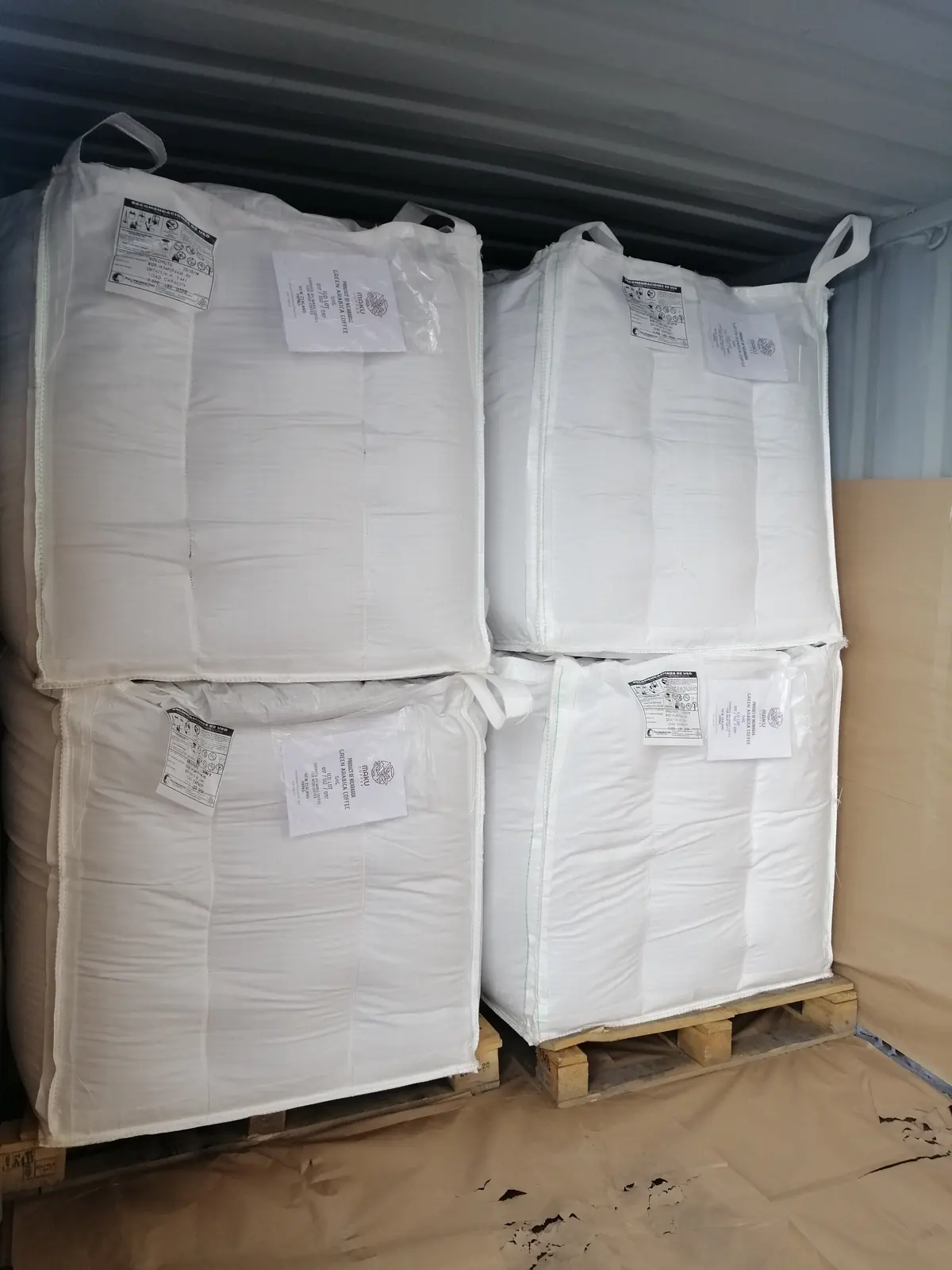
Big bags of SHG Arabica on pallets, container lined and documented.
Price risk, managed.
Since 2025 we have had access to hedging services to cover our raw material purchases.
Hedging lets us buy from producers when the harvest arrives without leaving the business exposed to the next move in the ICE "C" market. For buyers, that means more stable conversations about fixed-price and differential-based (price-to-be-fixed) contracts.
Certifications, with their limits stated.
Our supply chain includes producers and lots under these standards. A certification applies to specific lots, not to everything we sell: each contract states which standard applies, and the matching transaction documents are issued.
Fairtrade
FLO ID 43007Minimum price and a premium paid to producer organizations.
It verifies trade terms, not cup quality.
USDA Organic
Organic lotsProduction without synthetic agrochemicals, audited every year.
It says nothing about cup score.
Rainforest Alliance
Certified lotsFarm-level standard covering environment, working conditions and livelihoods.
Coverage depends on the certified producer group.
C.A.F.E. Practices
Verified supplyStarbucks' supplier verification program for economic, social and environmental criteria.
It is a buyer program, not a consumer label.
EUDR
For the EU Deforestation Regulation, we work with plot-level geolocation of the producers in our supply chain to support our buyers' due diligence.
A team that has done this for more than 12 years.
Behind every shipment is a team with more than twelve years buying, processing and exporting Nicaraguan coffee. You work with the people who know the lot, not with a call center.
Client relations
One contact from offer to arrival: contracts, samples, shipping schedules and after-sale follow-up.
Quality control
Cupping lab, physical analysis, lot grading and pre-shipment approval.
Logistics
Container booking, export documents, loading reports and coordination of third-party inspections.
Producer relations
Field purchasing, technical follow-up and the traceability data behind each lot.
Risk and contracts
Hedging of purchases, contract terms and payment conditions.
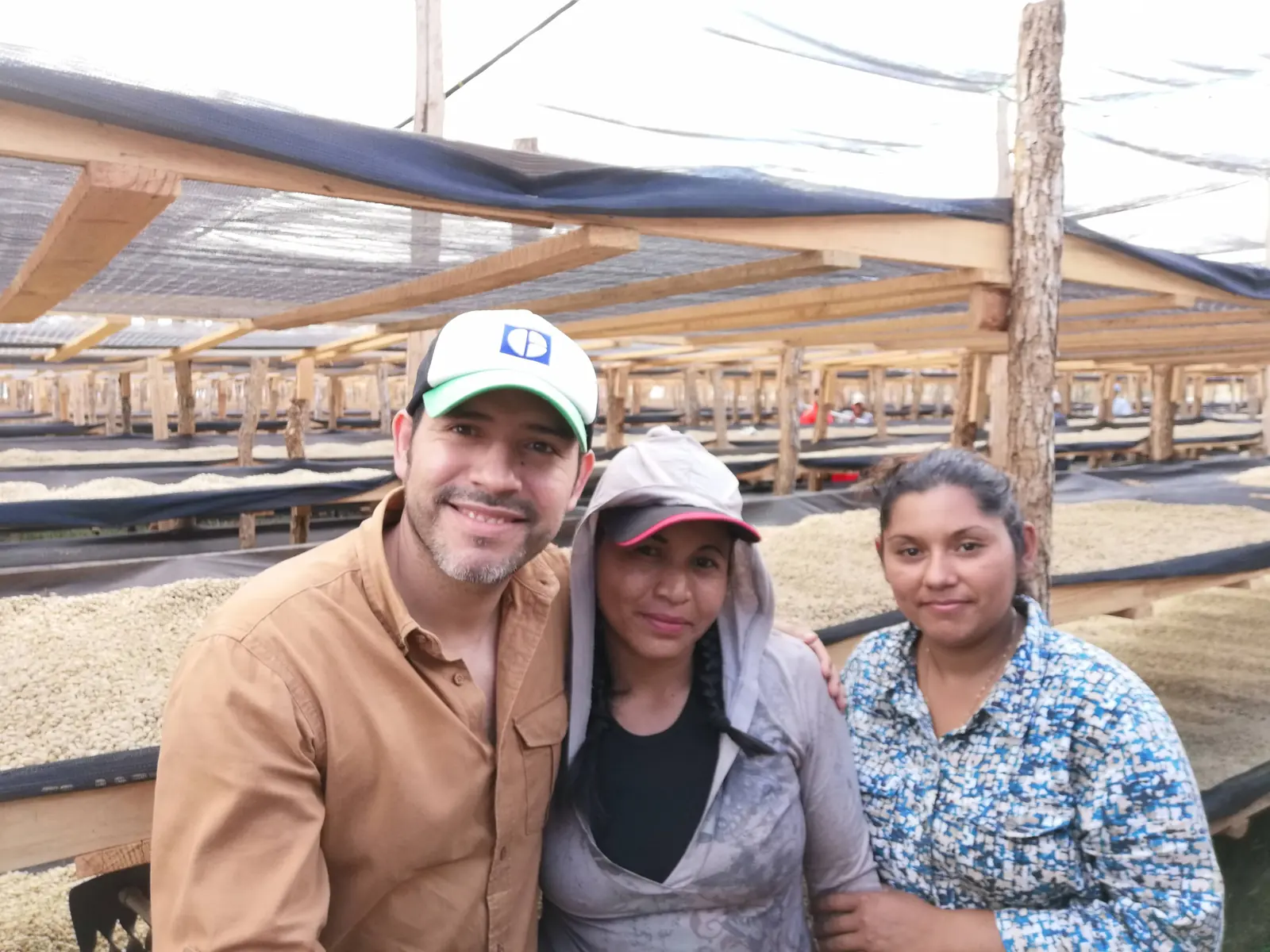
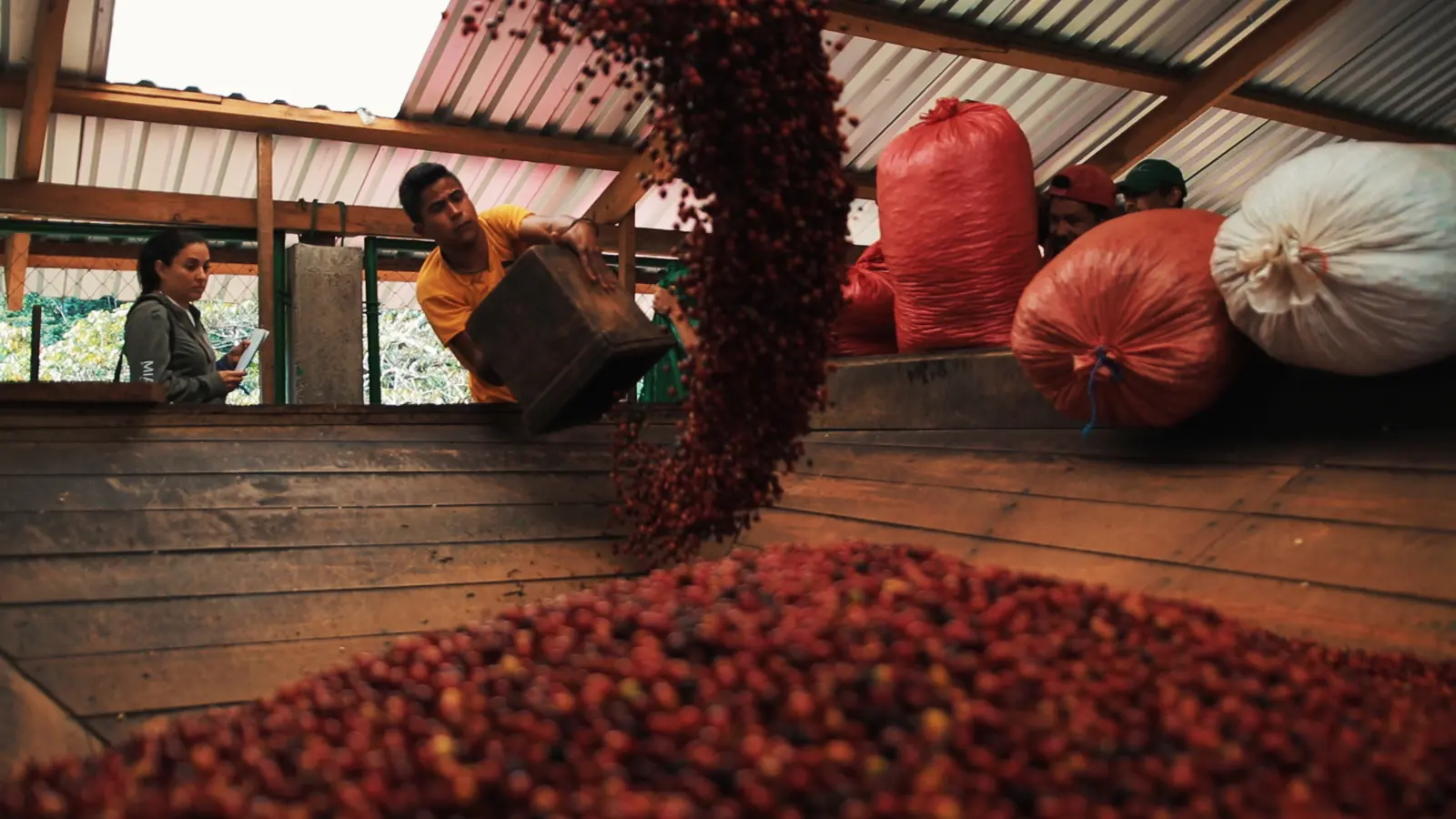
We have supplied roasters, trading houses and importers in North America and Europe, including large sustainability-verified programs.
Tell us what you are looking for.
Share your volume, quality profile and shipment window. We will reply with available lots and send offer samples.
Managua, Nicaragua